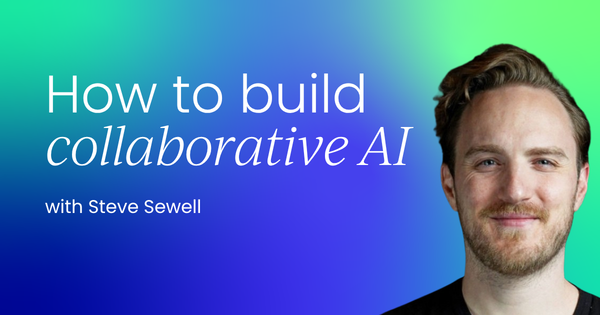

We're in one of the most competitive markets any of us have ever seen. AI is accelerating everything, and the pressure to innovate faster has gone from being a nice-to-have to being a survival requirement.
The tools are there. The question is whether we're actually using them in a way that serves us, or whether we're just doing the same old things with a slightly shinier interface.
At Builder.io, we compete with companies like Anthropic, Lovable, and Replit. We win business from Fortune 10 and Fortune 100 companies against those competitors, consistently.
A big part of how we do that is by staying ahead through smarter workflows, not just smarter tools. That's what I want to share with you here.
Three shifts that are changing how teams work
Before getting into the specifics, it helps to understand the three big shifts happening right now, because they shape everything else.
- Coding agents are genuinely capable now.
The term "prompt engineer" is already fading. You don't need to be an expert at constructing the perfect prompt anymore. You can just ask questions in plain human language and get surprisingly effective results.
That's pulling product, engineering, and design roles closer together. People who've never been considered developers are becoming first-class builders.
That might feel uncomfortable, depending on which side of that line you sit on, but there are real benefits here, and there are guardrails you can put in place to make it work for everyone. - The cost of writing code is trending toward zero.
It's not there yet, and it won't ever hit zero, but the direction is clear. Traditionally, code was the slowest and most expensive part of the software development lifecycle. So we front-loaded everything.
Endless meetings. Long planning cycles. Lots of debate about whether to do this or that. The whole point was to protect the coding phase from waste. Now that assumption has flipped.
Code is arguably the fastest and cheapest part of the process. Ideas can become working prototypes almost immediately. That changes the logic of how you should structure your entire workflow. - People are going to manage more agents in parallel.
A couple of years ago, most engineers were still writing most of their own code, with an AI copilot helping here and there. Now, you can prompt an agent, step back, and watch it do most or all of the work.
For expert advice like this straight to your inbox every other Friday, sign up for Pro+ membership.
You'll also get access to 300+ hours of exclusive video content, a complimentary Summit ticket, and so much more.
So, what are you waiting for?
Which raises an obvious question: why are you running one agent at a time? The trend toward autonomous agents means you could run many simultaneously, but that creates a new bottleneck. Human review.
If you spawn 50 agents to handle 50 tasks, you still have to review all of it.
- Does the code look right?
- Does it function correctly?
- Does clicking the button actually do what it's supposed to do?
That work doesn't disappear. It just moves. And the question worth asking is whether engineers are the right people to be doing all of that verification work.
 Andrew Lovell


AI accelerator insider insider
Thank you for subscribing
Level up your ai accelerator insider career & network with ai accelerator insider experts.
An email has been successfully sent to confirm your subscription.
 Follow us on LinkedIn